Day 9 of the Narmada Parikrama: laundry day, two gurus and Sharad Purnima
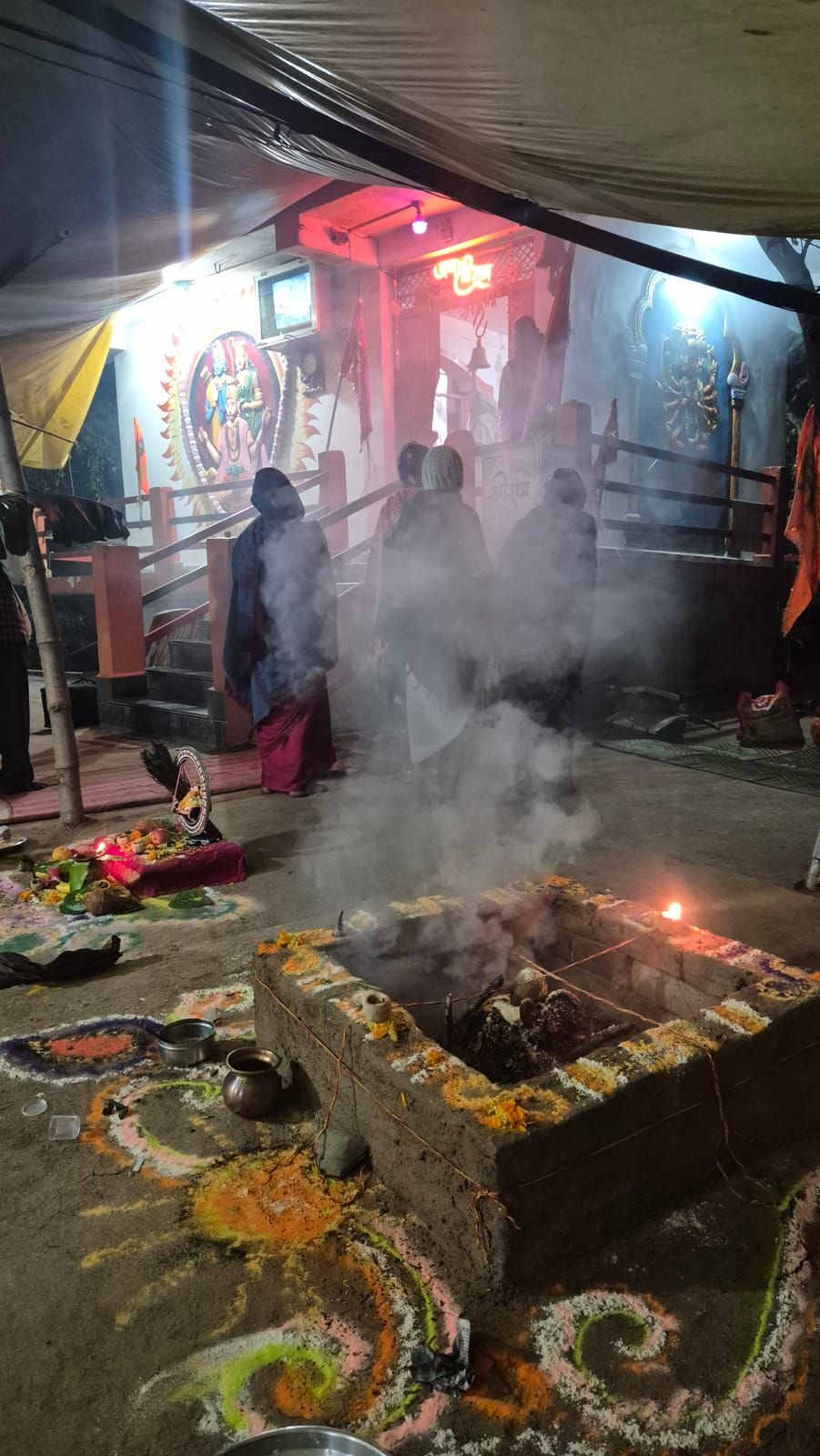
In the morning we woke up early again. The Guru had really insisted the evening before that we stay, because it was a special day: Sharad Purnima. I'll come back to that in a bit. Besides, we really had to wash our clothes. They stank like crazy, and what was once white had turned yellowish brown by now. So staying suited us just fine.
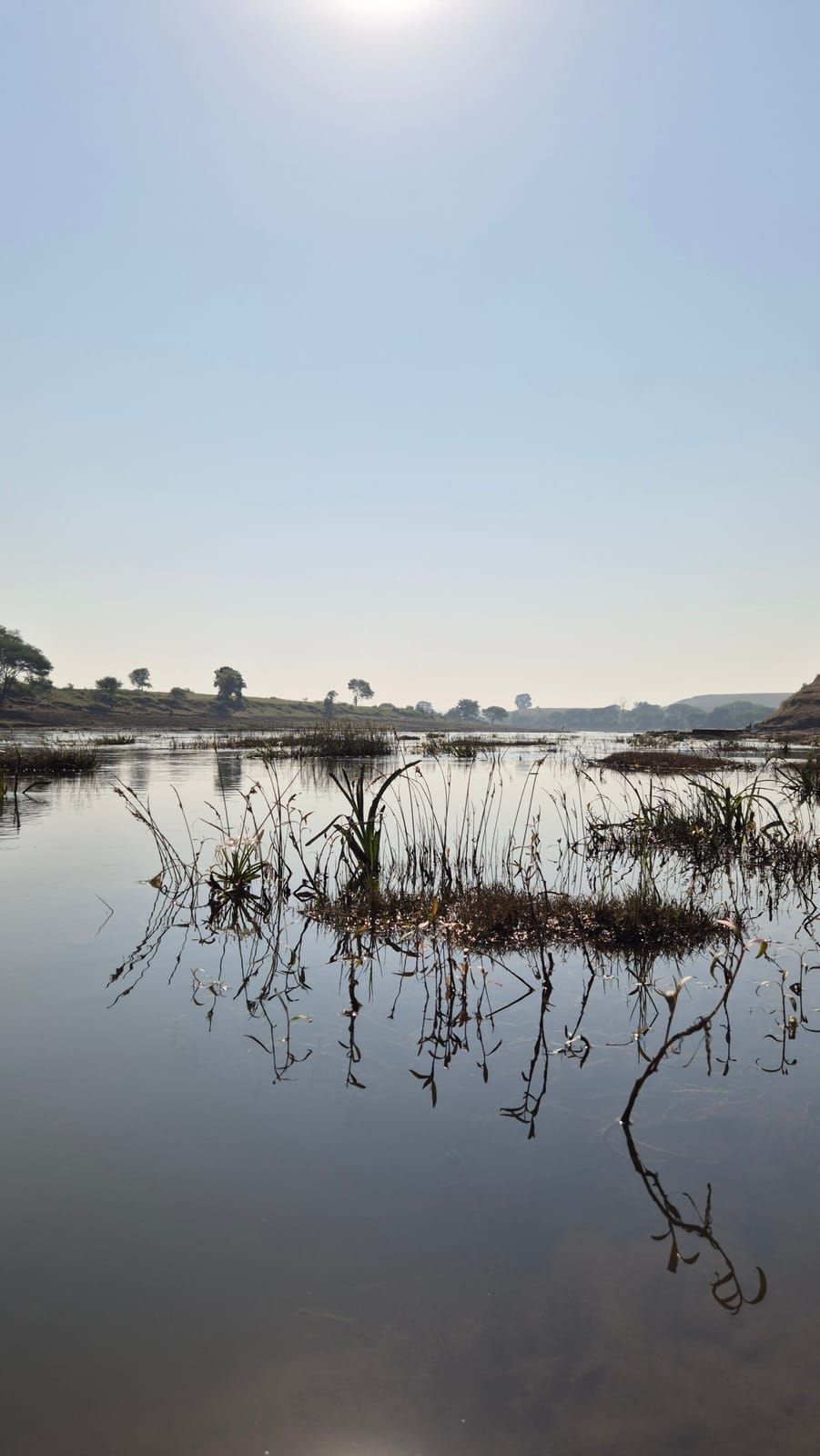
After making our decision we first went down to the ghat, like every morning. The ashram sits high above the river, and the path down is easy going. There we washed ourselves in the Narmada, with nothing but her water. Soap isn't allowed in the river, because it pollutes her. Still, you see plenty of people who sadly don't care at all, not even when a pandit said something about it. Oh well, someday they'll really have to learn. After washing we did the puja. Then began the climb back up, and you felt that one in your legs. What goes down easily, you also have to get back up again.
Up top we washed our clothes and hung them out to dry. Then we spent the time with the Gurus. One of them was keeping maun, a vow of silence: during the day he didn't say a word, and only after eight in the evening was he allowed to speak again. Many sadhus do this as a form of self-discipline, to bring their mind to rest. Writing was allowed, so that way we could still communicate with him a little. He turned out to be a friendly man. He looked forty at most, slim but healthy, and did everything very calmly, with a chillum that just kept on burning. You could also see that some pretty good things happened at the ashram. Kids from the neighbourhood who didn't have much got food and sweets there. They kept coming in on a conveyor belt, and every one of them got a full plate of rice, rotis, sabzis and so on. After that we talked with the other Guru, of whom, strangely enough, I remember more: a man with a sense of humour. He turned out to have been a wrestler back in the day, and he wanted to show it. Before I knew it, he threw his arms around me and lifted me right off the ground. For his age he's still surprisingly strong. In between, he told the story of Sharad Purnima.
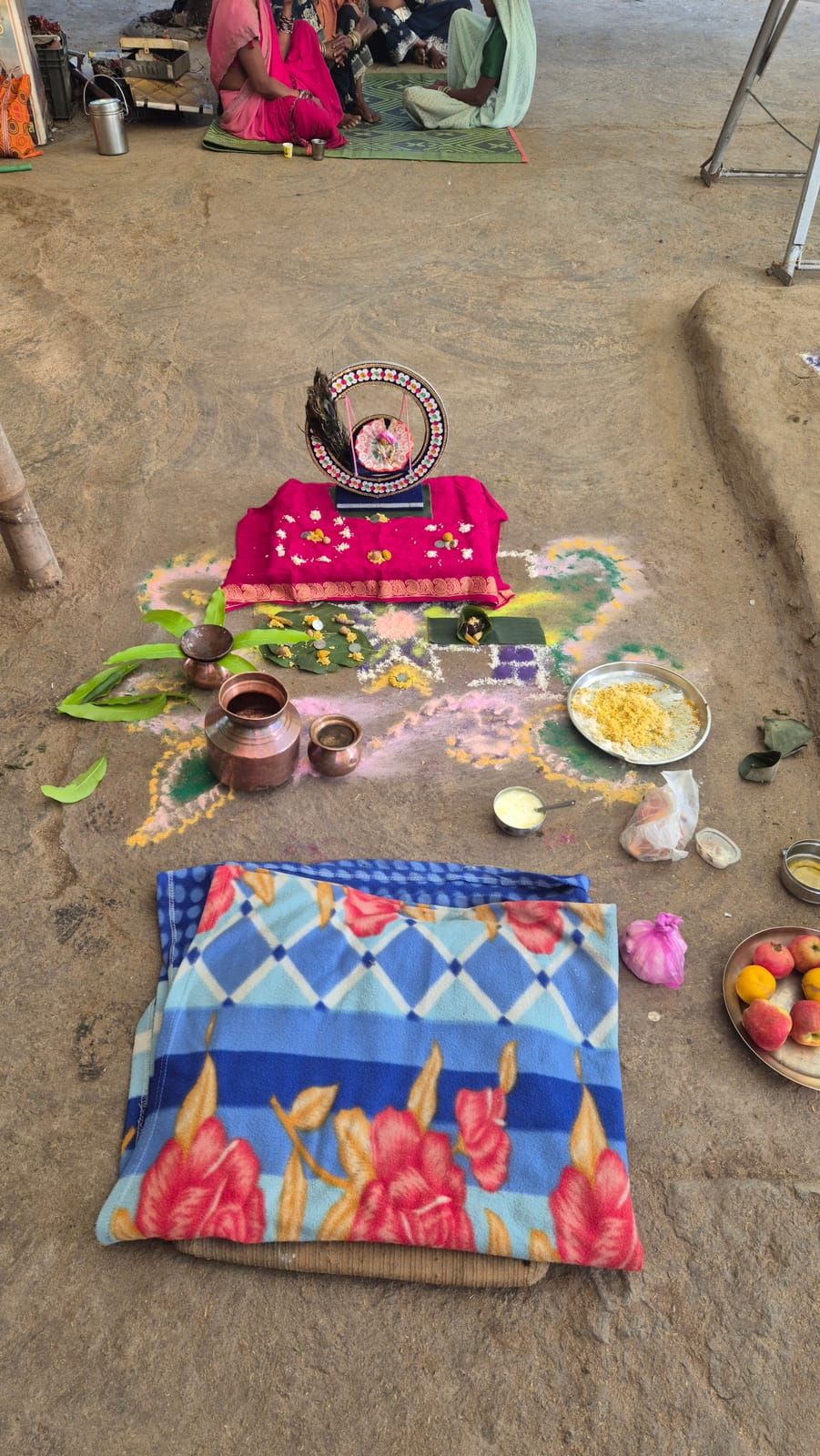
Sharad Purnima is the full moon at the end of the monsoon. The date differs from year to year, but it usually falls in October. This year it was the 25th. According to Hindus it's the only night of the year when the moon is completely whole, with all sixteen of her kalas. Her light is said to contain nectar that night. That's why people put a pot of kheer, rice pudding, outside under the moon. The next morning they eat it as a blessing.
It's also the night when Krishna played his flute in the forests of Vrindavan. The gopis, the cowherd girls from the village, left everything behind to dance with him. He multiplied himself, so that every woman felt she was dancing alone with him.
Later I found out there are many more stories about this night, because every region in India has its own version. But this is what the Guru told us. At least, what I understood of it. Everything went through Yasha, and a translated story often misses just that bit of context. On top of that, the conversation goes back and forth so fast that she sometimes gets overstimulated herself. Then all that's left for me of a long story from the Guru is a single sentence.
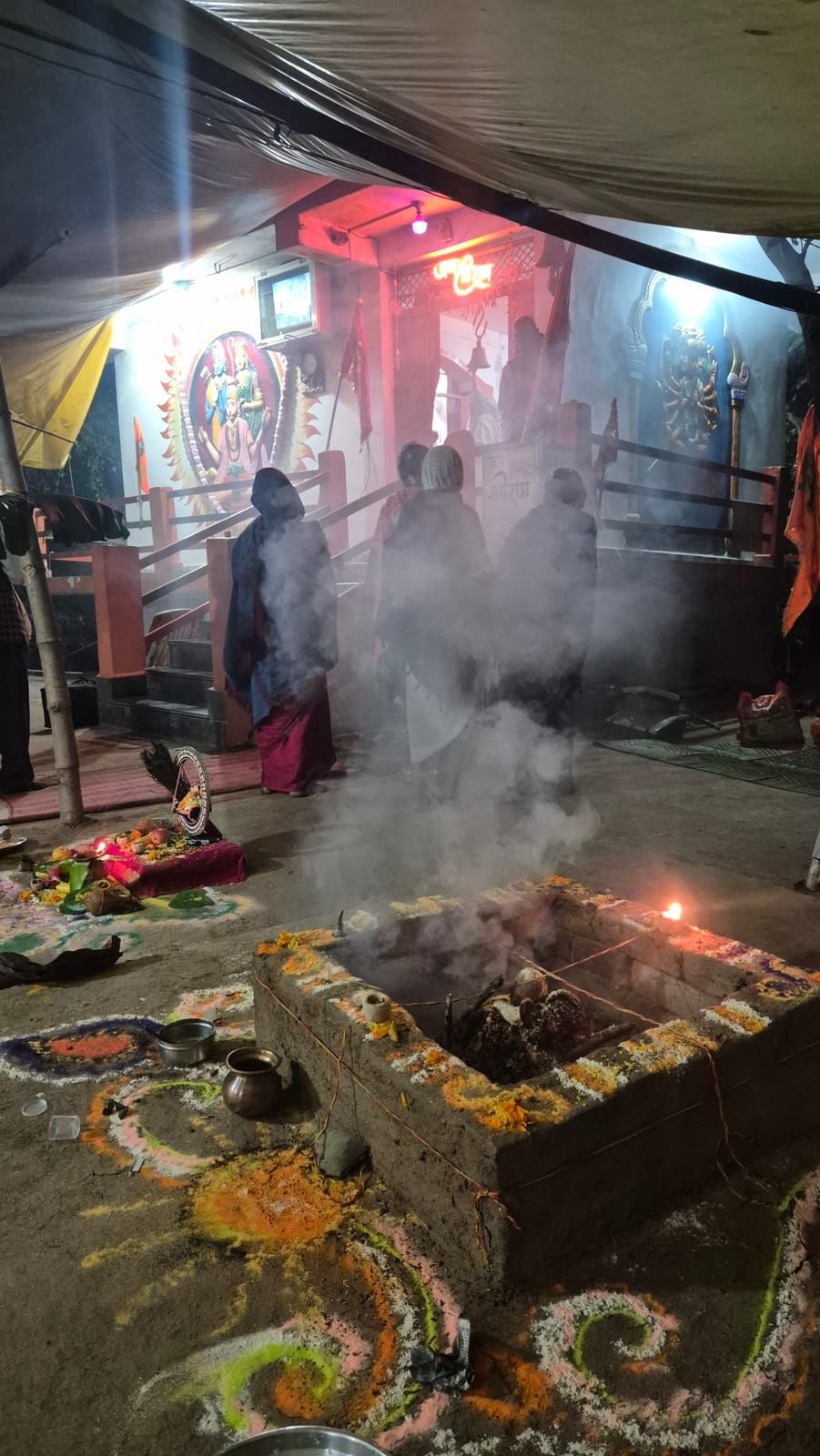
The afternoon was one of lazing around. Yasha got talking with everyone who had actually come for the Guru, the way only she can. While I sat there happily writing, the sun slowly sank and the aarti for Sharad Purnima began. You could compare it to a church service. The priest here is called a pandit and is usually a Brahmin, someone from the highest of the four varnas, or as we know them: the castes.
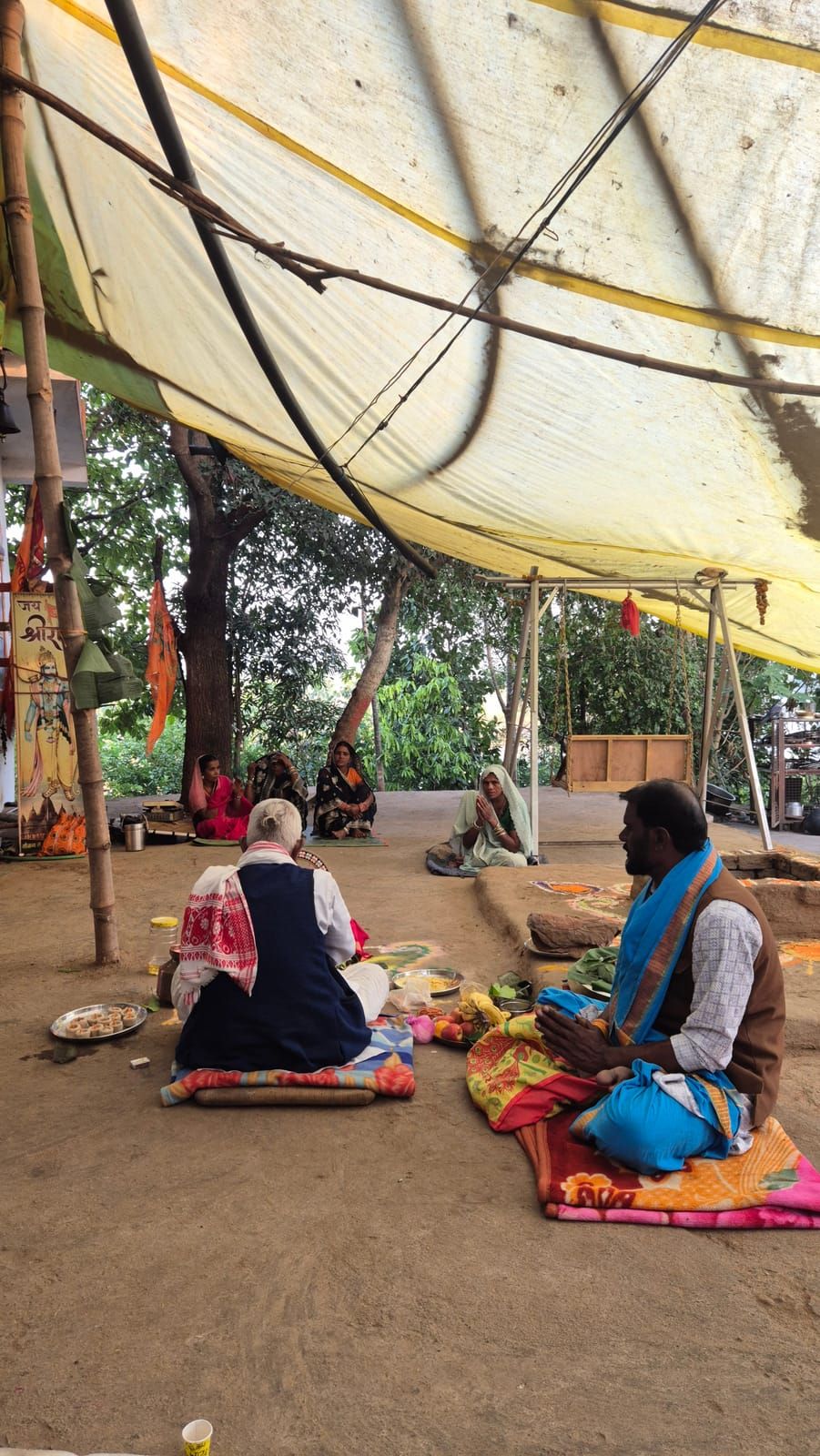
The aarti was a show in itself: lots of singing, rituals and a chillum going round. Afterwards it only really got loud, with singing until deep into the night. I didn't catch much of it, because I was so tired that I slept right through it.
Still, one thing keeps bugging me: who are these gurus really, and why do people have so much reverence for them? Mostly I see people with a nice story, and nothing more than that. I don't sit there feeling: here I am with a saint. I don't feel anything magical, and I don't get the sense that some great wisdom is washing over me. Sometimes my thoughts even go in a negative direction. I know: the Parikrama is about observing and learning, so apologies in advance, Narmada. But I have to get it off my chest: I wonder whether some of them aren't simply abusing the trust of believers. Then again, maybe that says more about me than about them. I come from a different culture and look at all of this through the lens of what I grew up with. On top of that, I only understand half of what's being said.
This is an honest thought from someone looking in from the outside who doesn't know nearly everything. I'll keep observing and learning.